
Roach, tench, bream, perch, carp — coarse fishing offers the widest variety of sport of any angling discipline. If you’re coming to it fresh, or returning after years away, here’s where to begin.
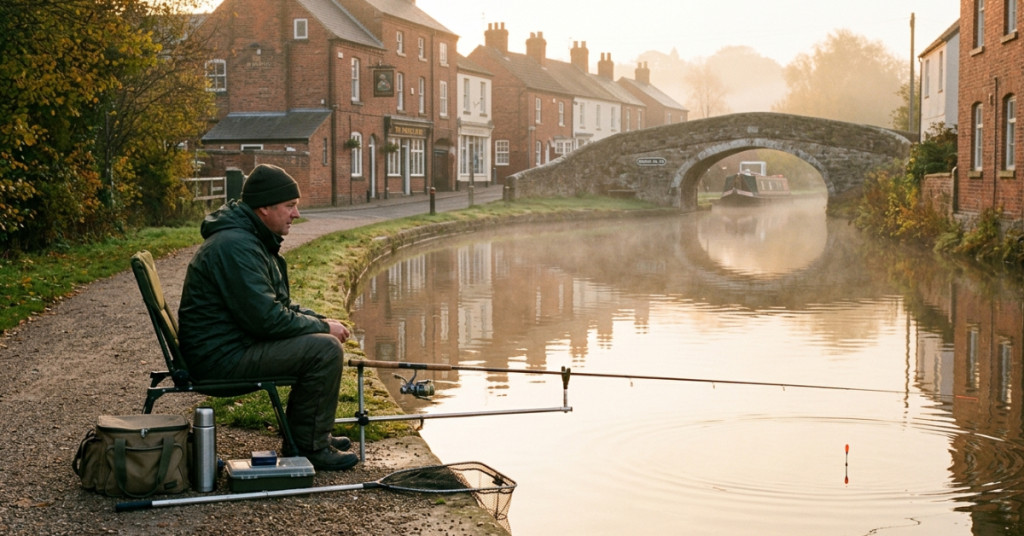
Coarse fishing is Britain’s most popular angling discipline and for good reason. It’s accessible, affordable, sociable and gives you the chance to fish year-round on canals, rivers, lakes, reservoirs, and commercial fisheries.
Whether you want to sit quietly by a canal watching a waggler float or pit yourself against a hard-fighting carp on a gravel pit, it’s all coarse fishing.
All of it is available to you from the moment you decide to start.
The term “coarse” simply refers to all freshwater fish that aren’t salmon or trout. So we’re talking roach, perch, bream, tench, chub, barbel, pike, and carp, among others. Each species has its own habits, its own preferred habitats, and its own particular appeal. Part of the joy of coarse fishing is that you’ll spend years getting to know them.
A canal in the heart of a market town, a gravel pit in the countryside, a river pool , they are all coarse fishing.
The only question is which one calls to you first.
Where to fish.
Your nearest canal or river is an excellent place to start.
Canal fishing in particular is wonderfully forgiving for beginners.
The water is still or slow-moving, the depth is consistent, and the fish are plentiful.
England’s canal network alone offers thousands of miles of accessible fishing, much of it managed by the Canal & River Trust and available to anyone holding a valid rod licence.
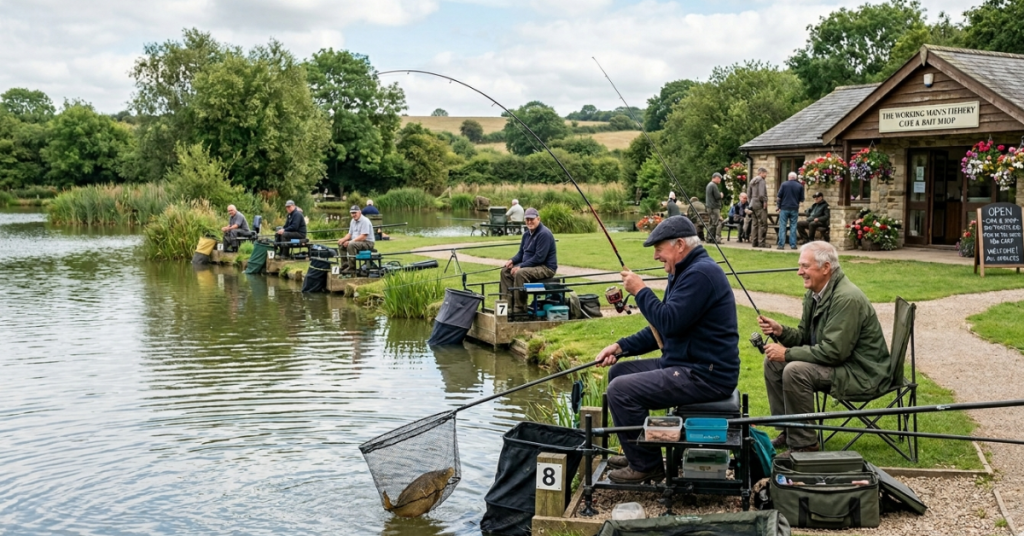
Commercial fisheries, purpose-built lakes stocked with carp and other species, are another brilliant starting point. They tend to have facilities, friendly staff, and fish that are genuinely catchable even for complete beginners. There’s no shame in starting at a commercial fishery. I know experienced anglers who fish them regularly and enjoy every minute.
🎣 First move
Find your local fishing club via the Angling Trust website or ask in a tackle shop. Most clubs offer day tickets as well as season memberships, so you can try before you commit. Many actively encourage beginners and run introduction days, well worth attending.
What species to target first?
Roach and perch are ideal starter fish. They’re widespread, relatively easy to tempt, and fight well for their size.
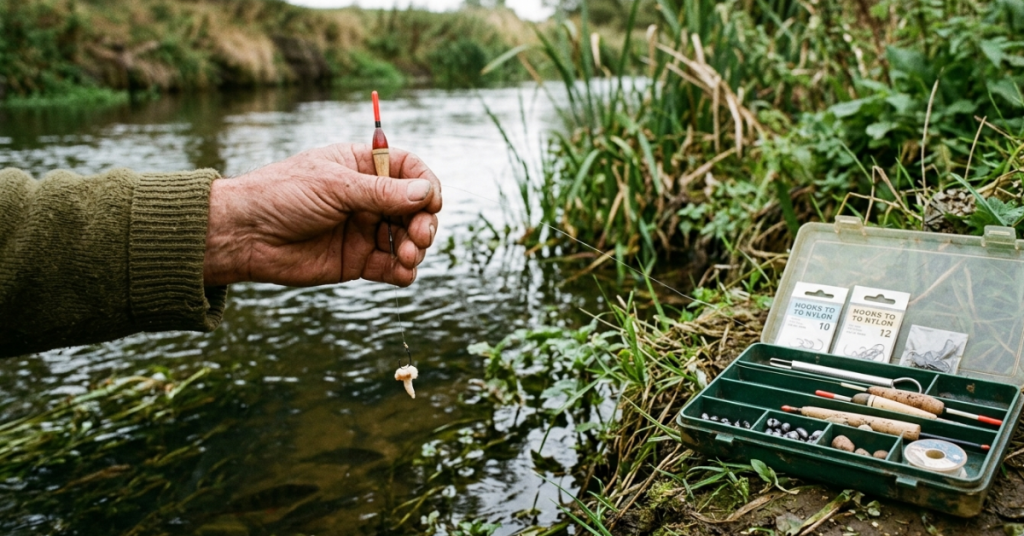
A small piece of bread flake, a single red maggot, or a grain of sweetcorn on a size 14 hook and a light float rig, that’s genuinely all you need to catch them.
Master the basics on these fish and everything else follows naturally.
Retirement is the perfect time to start coarse fishing. You can fish at dawn when the bream are feeding in the margins. Sit out a long, slow summer afternoon waiting for a big tench to roll into your swim.
You can join the club for the midweek matches and have a bacon sandwich at the weigh-in. All of this is waiting for you.
The fish don’t care how long you’ve been doing this, only that you show up.