
Lessons from a Long Return to the Water
There’s a certain honesty in returning to fly fishing after a long break. You don’t start from scratch, but you’re not quite where you think you are either.
I stepped away from fly fishing for around 25 years due to work and life commitments. I came back to it roughly 15 years ago and since then, I’ve been slowly rebuilding my understanding of stillwater fishing in the UK.
Even now, it still has a way of keeping things grounded.
This week was a reminder of that.
I blanked.
Not for lack of effort as but I lost three fish. One snapped the line, one broke the hook and the third made me stop and properly re-check my setup.
It wasn’t a successful day in numbers, but it was a useful one in lessons.
If you’re a beginner or returning after time away, these are the practical takeaways that matter more than anything else.
1. Check Your Tackle Properly
It sounds basic because it is, but it’s also where most problems start.
On this session, I lost fish to avoidable equipment issues.
Before you fish, take the time to:
- Check knots carefully
- Inspect leaders for wear
- Look over hooks for weakness
Small faults cost fish. Simple as that.
2. Stillwater Trout Are Stronger Than You Expect
Stillwater trout don’t always show themselves until they’re on.
When they do, they can surprise you.
If your drag is too tight or your line setup isn’t balanced, you will lose fish.
The key is control, not force:
- Let fish run when needed
- Maintain steady pressure
- Avoid rushing the fight
3. Hook Quality Is Not Optional
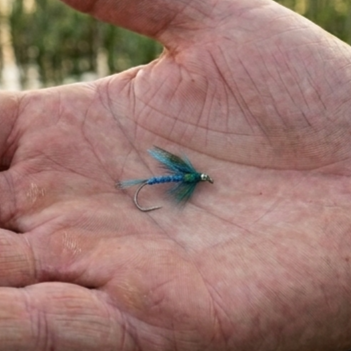
One or two of the lost fish came down to something simple, the hook failed.
After losing the third fish, I checked the fly properly and found the hook had actually broken.
That’s not part of fishing , that’s a preventable fault.
If there’s any doubt about your flies or hooks, replace them.
4. Observation Comes Before Casting
It’s easy to fall into the habit of casting immediately.
Stillwaters reward patience.
Before you fish:
- Watch the water surface
- Look for movement or rises
- Notice where natural activity is happening
Casting less, but casting with purpose, is far more effective.
5. Keep Your Setup Simple
There’s always more gear you could use.
But early success comes from simplicity:
- A floating line
- A small selection of proven flies
- A consistent approach
Confidence builds from repetition, not complication.
6. Blank Days Are Part of It
This was one of those days.
No fish landed, but plenty learned.
Mistakes become clearer when things don’t go to plan. That’s often where progress actually happens.
Final Thoughts
Returning to fly fishing after a long break is not about rushing back to former skill levels.
It’s about rebuilding steadily, paying attention to detail, and accepting that not every session will deliver results.
But every session can deliver improvement, if you’re willing to look at it honestly.